More capacity. Same footprint.
Before expanding your gym, consider whether your current equipment mix is limiting how many members can train comfortably.
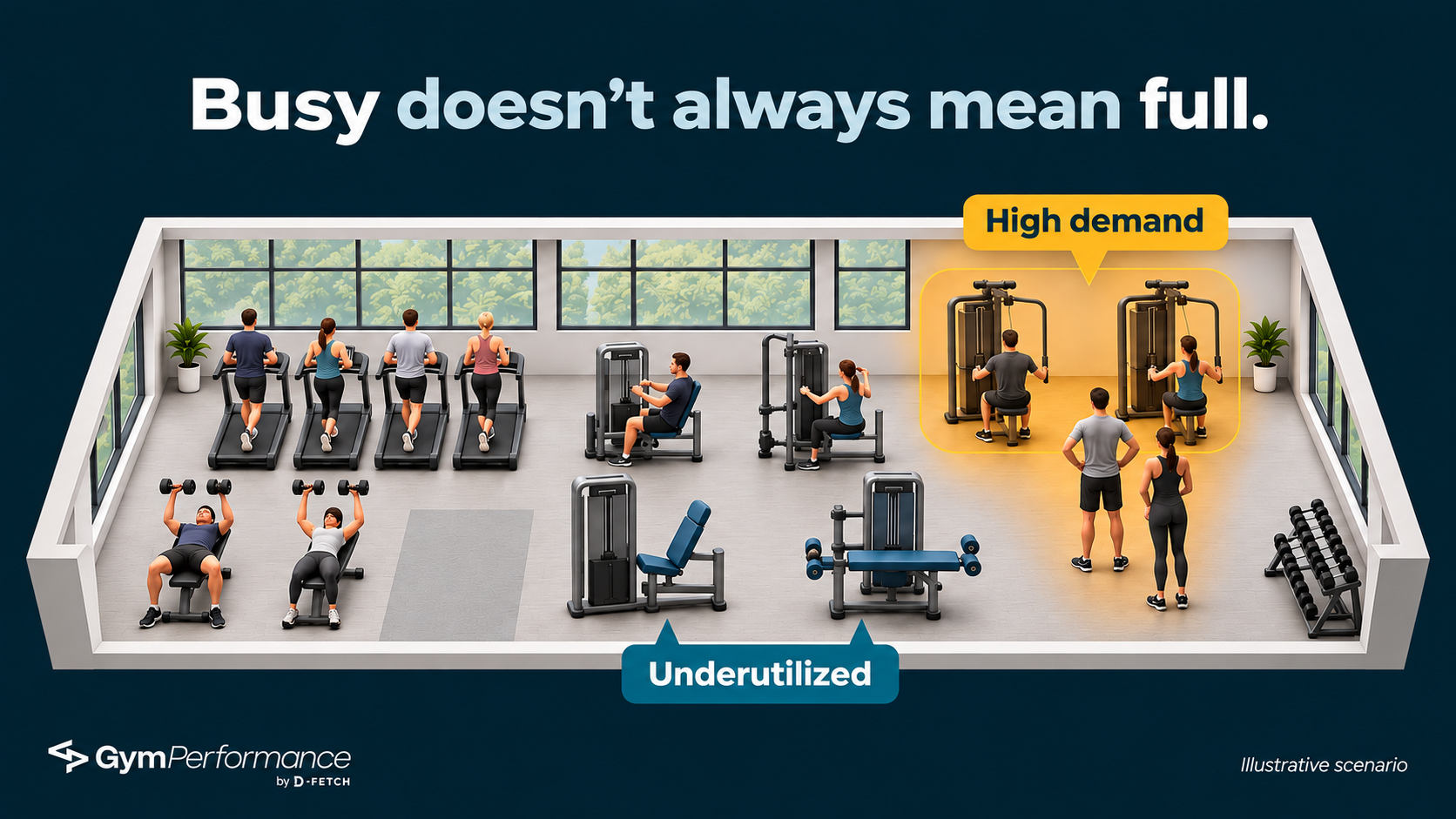
A busy gym does not always mean every part of it is at capacity. Members may be waiting for cable stations while nearby equipment sits underutilized. In that situation, the immediate constraint may be the equipment mix, rather than the available floor space.
A possible scenario
Imagine a club during its evening peak.
Most equipment is in use. Two members are waiting for the cable stations, while two other strength assets remain available. Some members change their workouts. Others spend longer waiting between exercises.
From the reception desk, the gym looks full. But the floor tells a more specific story: demand is concentrated around certain equipment.
Adding more floor space could help. Understanding that imbalance could reveal another option.
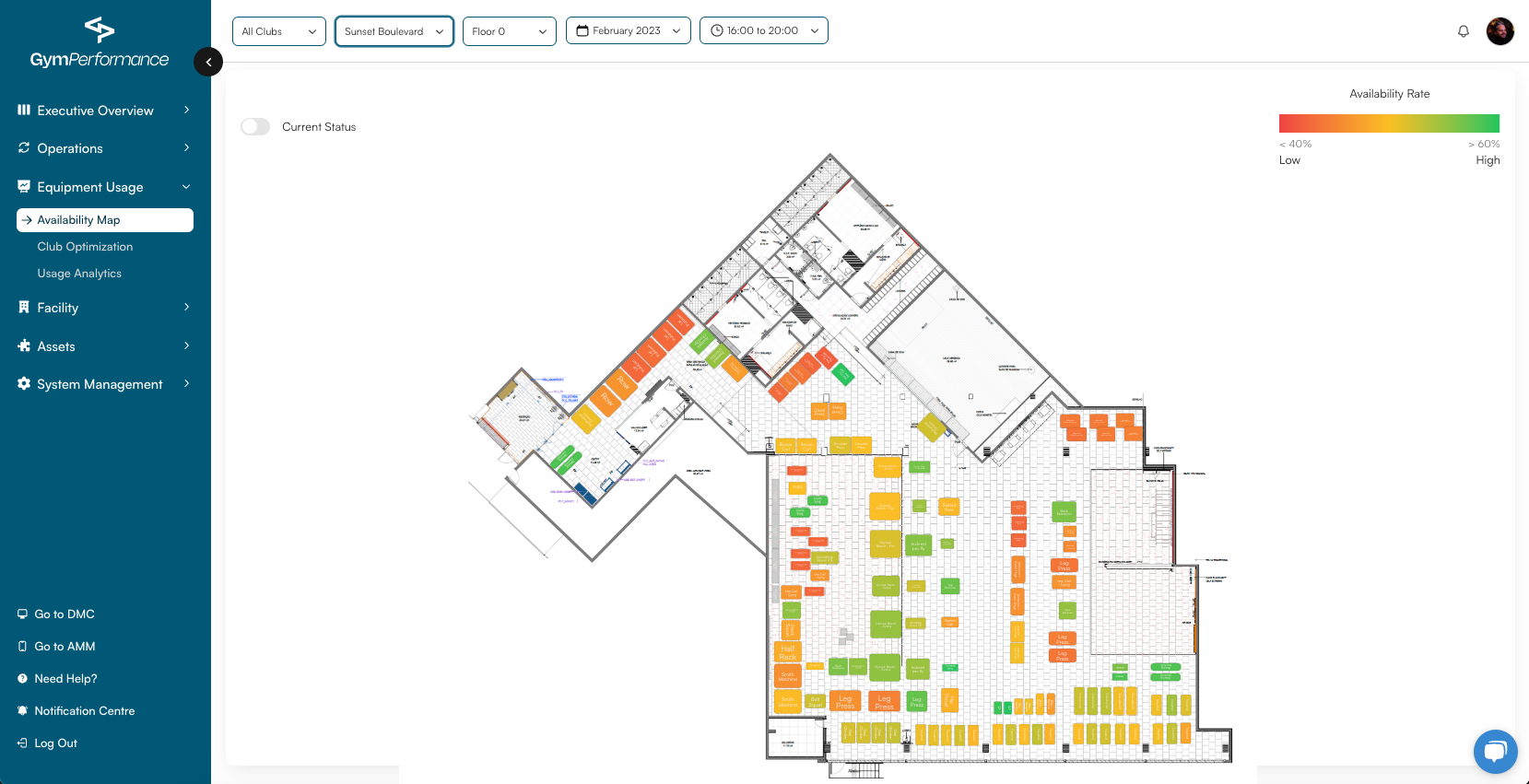
Use equipment data to test the picture
One busy evening is not enough to justify replacing equipment.
By reviewing usage across several weeks, the operator can investigate:
- Which assets consistently attract the highest demand.
- Which equipment remains underutilized during peak hours.
- Whether the pattern repeats across days and time slots.
- Whether similar equipment elsewhere in the club absorbs that demand.
Equipment usage data helps identify potential bottlenecks. Staff observations and member feedback help explain them, including whether members are actually waiting.
Adjust the mix, then measure again
Suppose the pattern persists: cable stations are heavily used, while two other assets see limited demand.
The operator could test replacing those assets with additional cable capacity, subject to space, accessibility and installation requirements.
In our illustrative scenario, the same members can now train at the same time, within the same footprint. The two waiting members have equipment available.
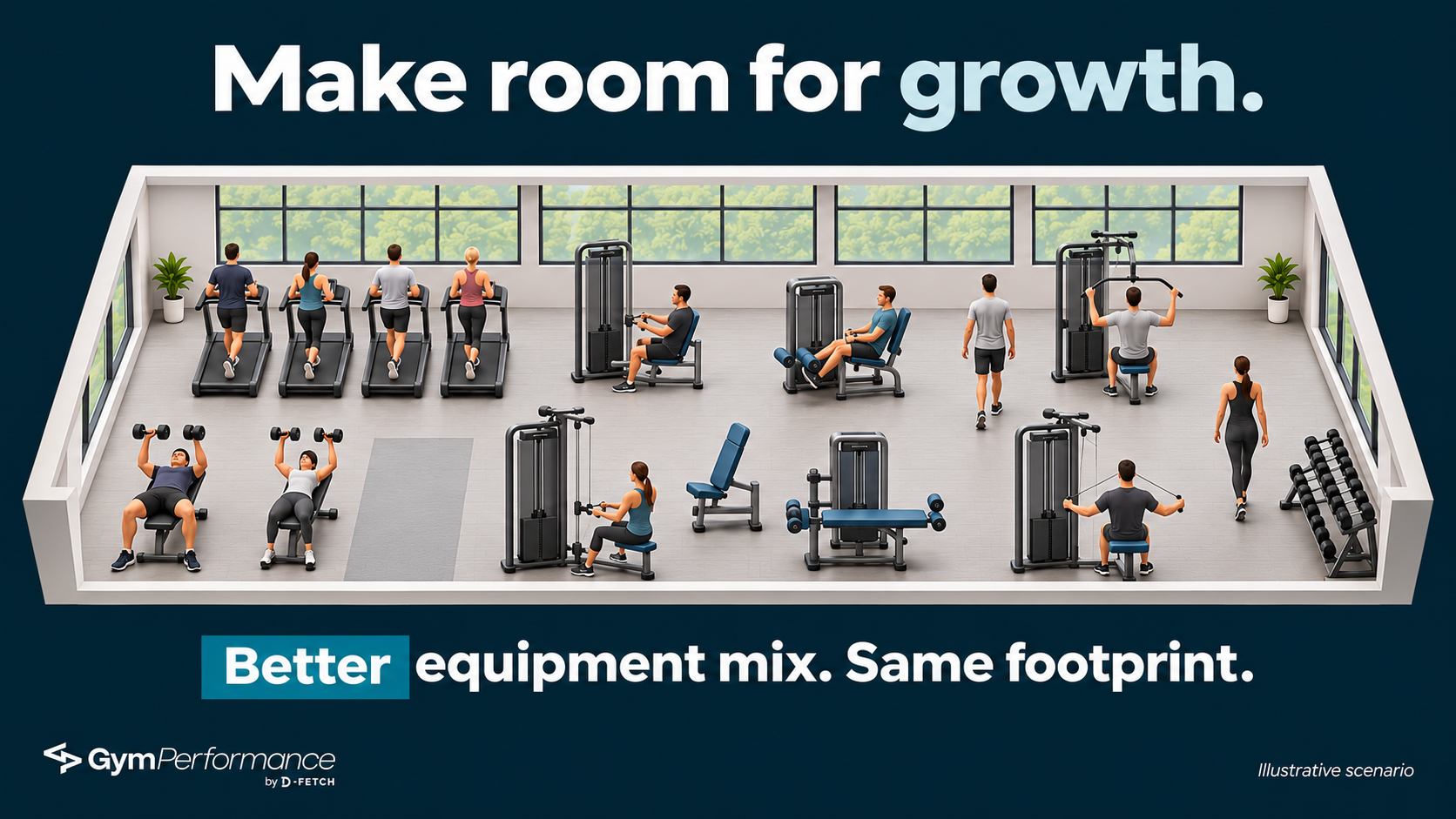
That does not automatically mean the club can sell more memberships. It creates an opportunity to assess whether the revised layout can accommodate additional demand without compromising the training experience.
The operator can then compare:
- Peak-hour equipment usage before and after the change.
- Waiting observed by staff and reported by members.
- Usage of the newly installed equipment.
- Whether congestion has shifted to another area.
Make room for growth
Increasing capacity is not simply about fitting more equipment into a gym. It is about matching the equipment available to the way members actually train.
For some clubs, the right decision will still be expansion. For others, a targeted change to the equipment mix could help them serve more members within the space they already operate.
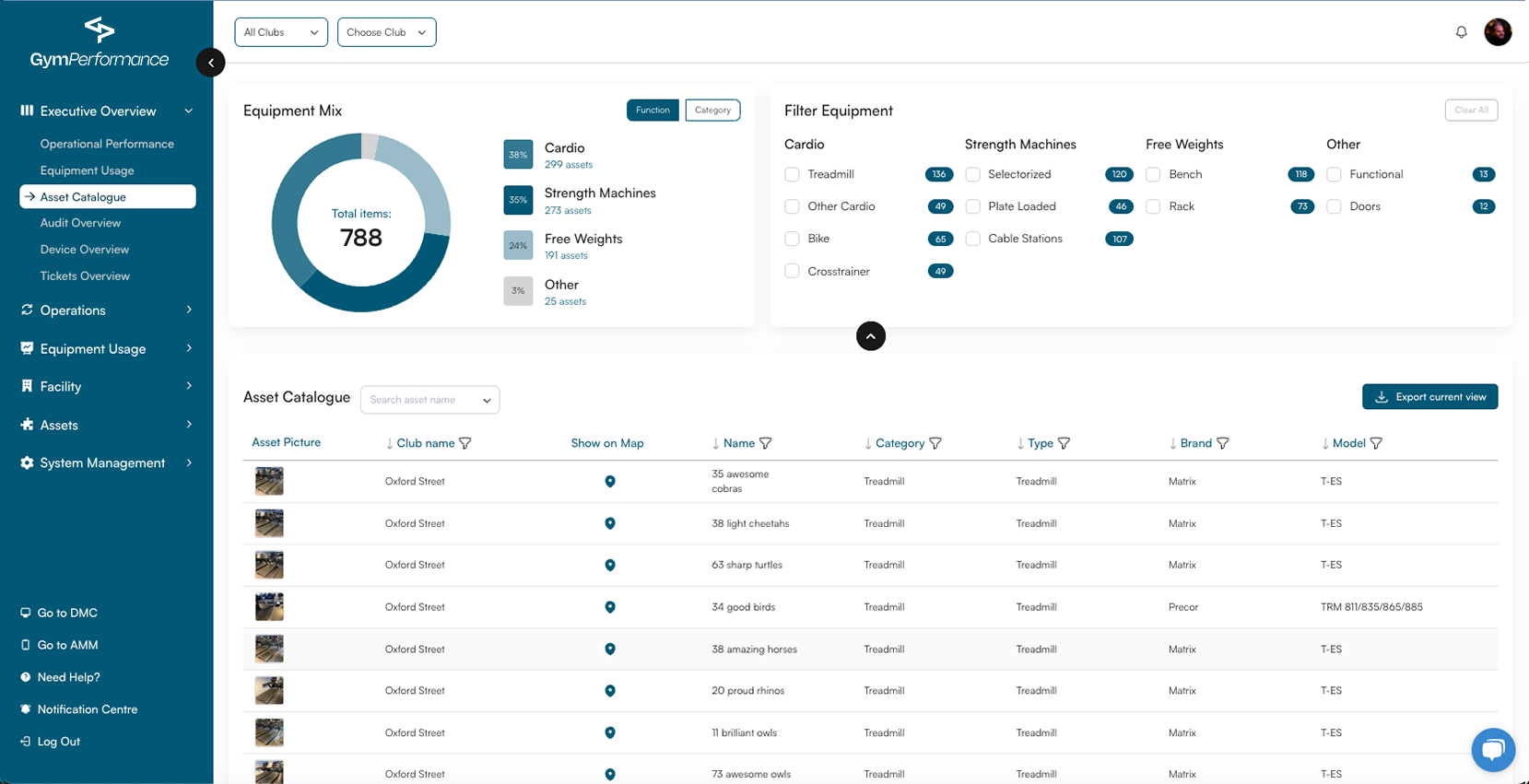
GymPerformance connects sensor-based equipment usage data with Asset Management, helping operators understand demand and evaluate equipment decisions with more context.
Before adding more square metres, find out where your current space has room to do more.
Want to identify potential bottlenecks in your clubs? Talk to GymPerformance about an equipment usage study.