
D-Fetch
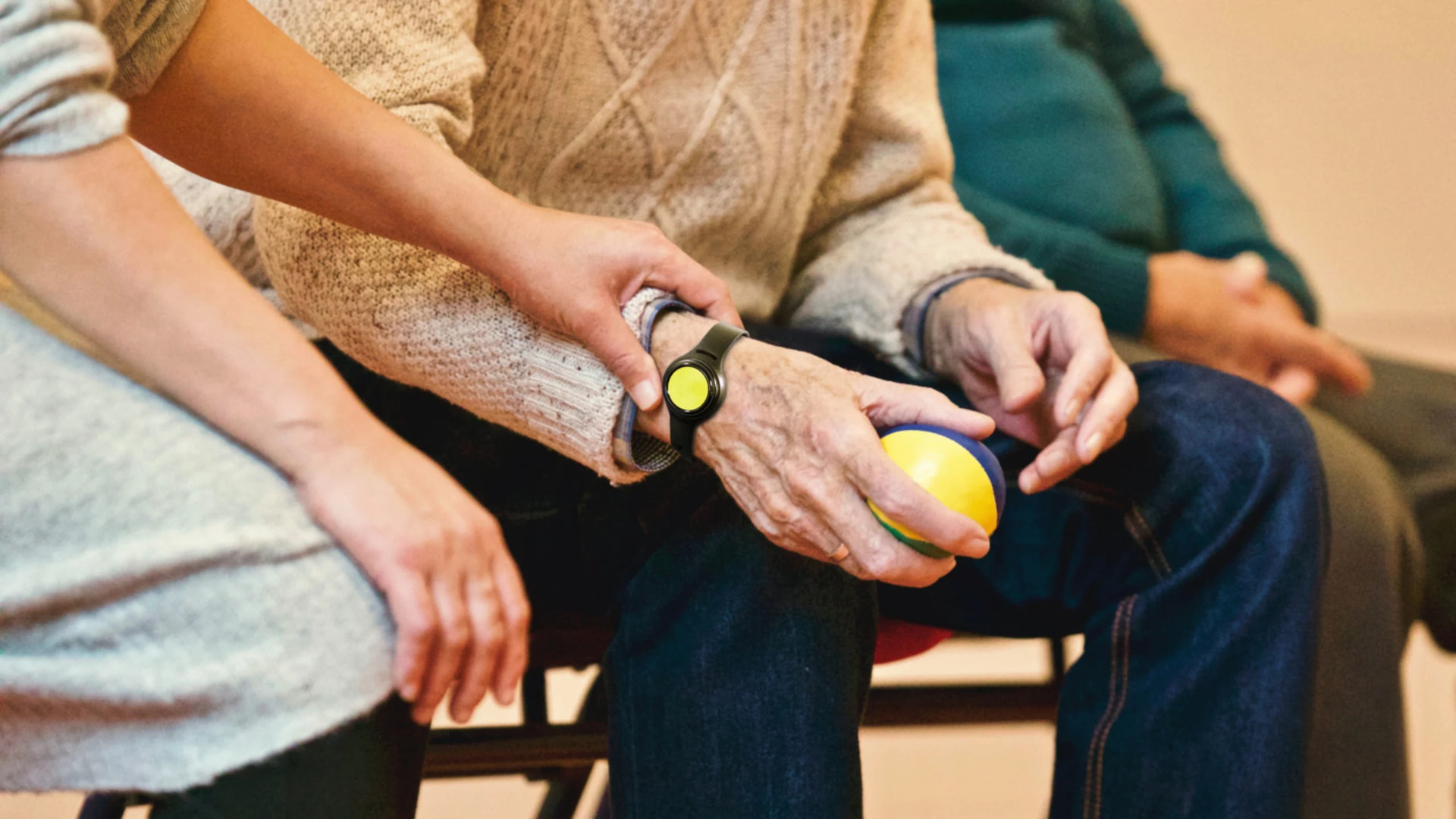
A resident wearing a wristband with a round alarm button while a caregiver rests a hand on their arm

SOLUTIONS | PATIENT ALARM SYSTEM

The premier provider of patient alarm systems in Norway

Since our first installation in 2016, the Meshtech patient alarm system has become the premier provider of patient alarm systems in Norway, running in more than 140 nursing homes. The system serves over 5,000 daily users and integrates more than 30,000 devices into a safety network across Norwegian healthcare institutions.

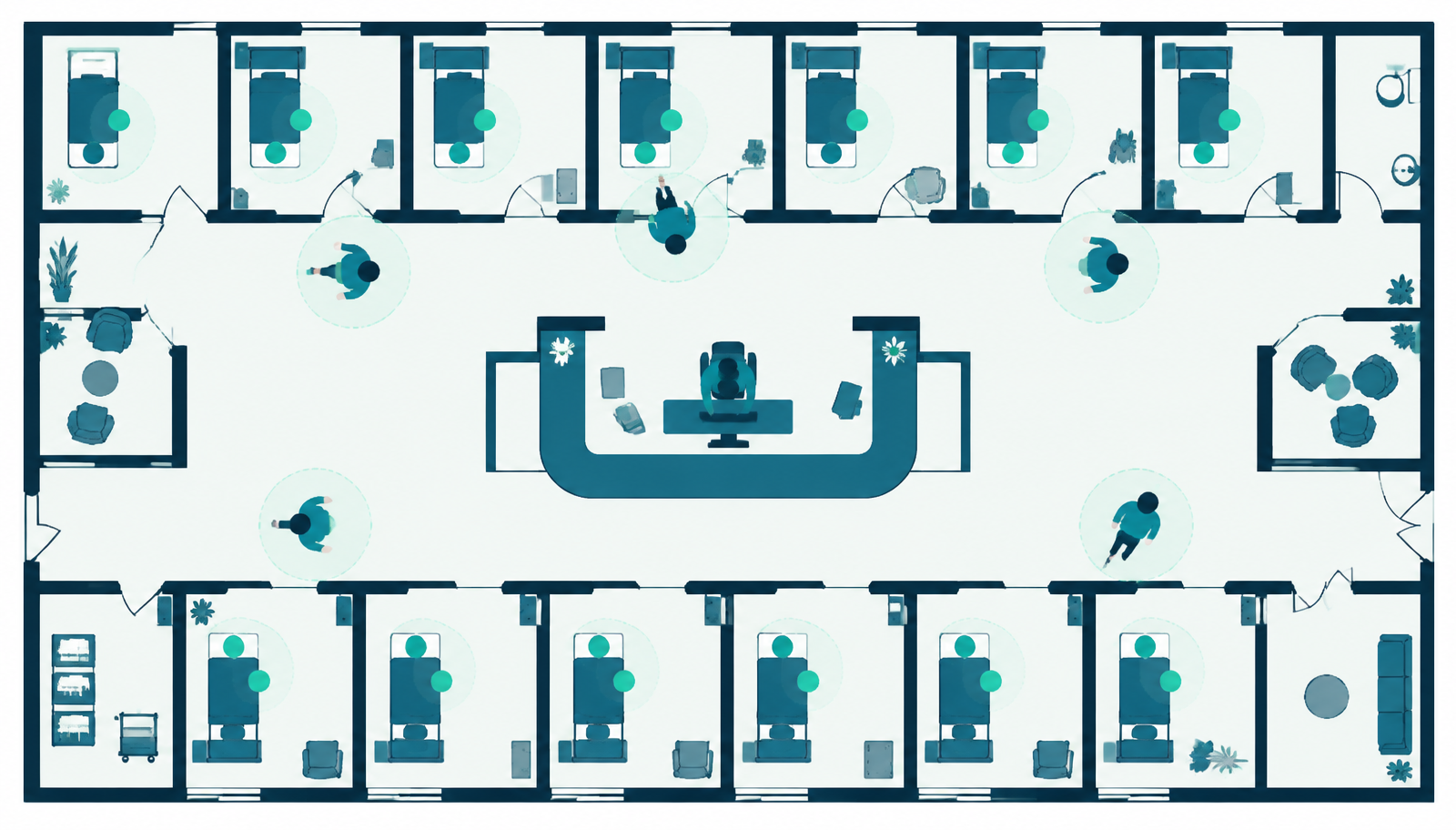
Illustration of a nursing home ward floor plan with position signals from resident wristbands and caregivers

Indoor positioning

Track people and assets with pinpoint accuracy, speeding up care delivery and cutting search time for essential equipment.

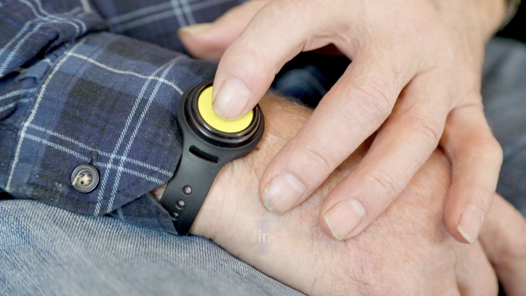
A resident pressing the alarm button on a D-Fetch wristband

Patient signalling

Wireless bracelets replace traditional wired systems, and combined with positioning they make support faster and more effective.

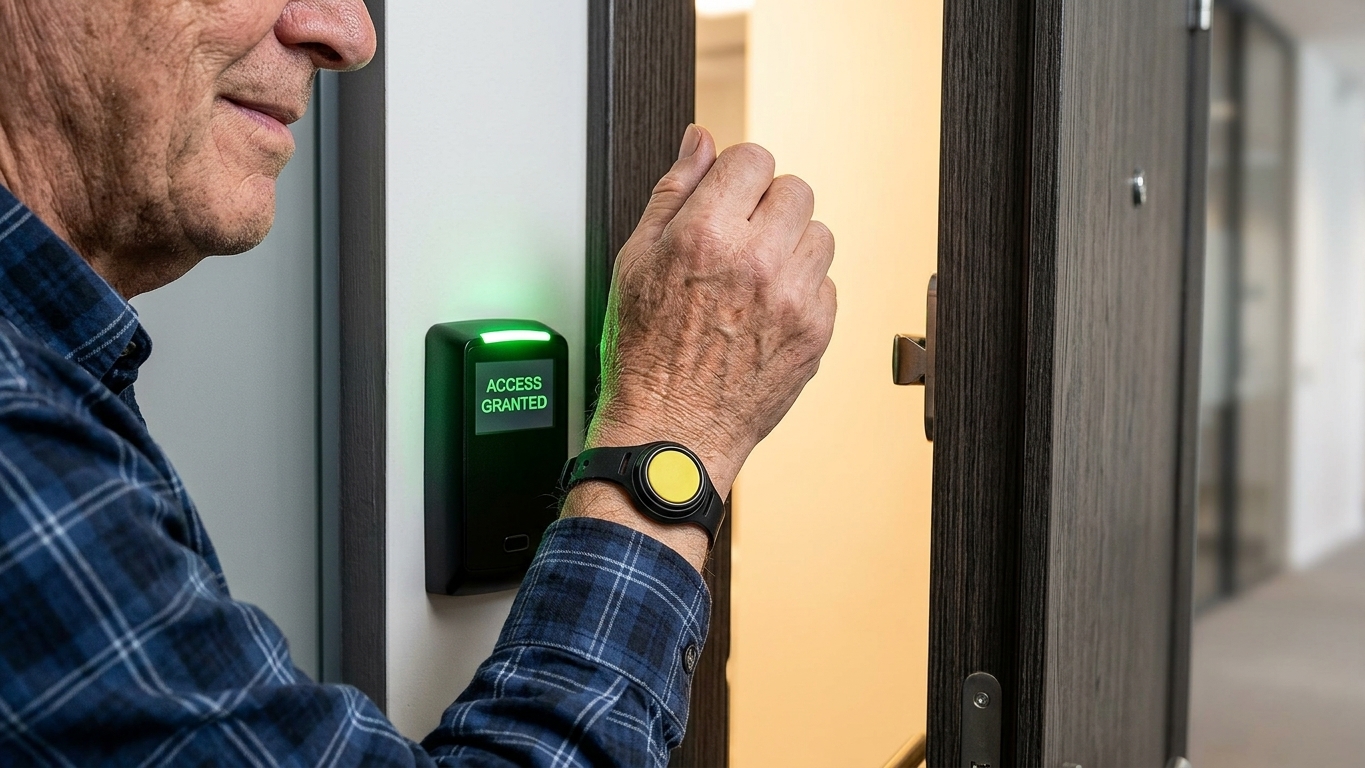
A person using a wristband to unlock a door

Access control

The low-power wireless network and wearables let facilities run comprehensive access control, improving security for everyone inside.

Silent, dignified signalling

Residents wear the waterproof wristbands with a tactile alarm button; caregivers carry wristbands or cardholders. Calls route directly to the nearest staff member, replacing stressful corridor sirens with silent lapel and mobile alerting.
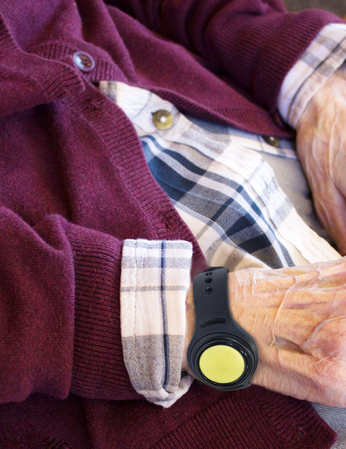
A resident wearing a wristband with a round alarm button on their wrist

Reliable when it matters

Room-level positioning is accurate to 1.5–3 metres across multi-storey wards, with prolonged inactivity detection. Battery-backed repeaters keep the system running during a building power outage.

Certified ecosystem

Deployed in 140+ municipal nursing homes since 2016 with welfare partner Sensio, and integrated with Salto Space access control so residents move freely while exit safety is maintained. Scandinavian municipal welfare compliant.

One button, immediate response

Residents raise an emergency alert with a single press. The wristband emits a precise positioning signal so staff can respond quickly and accurately. Unlike many other systems, the wristbands utilizes two way communication, so it's always sure that the alarm will get through or that staff is alerted in case the device is out of range.

A resident wearing a wristband with a round alarm button while a caregiver rests a hand on their arm

Designed to be worn all day

The personal alarms are built for accessibility and comfort, so they support daily life rather than getting in the way — and the system scales from modest to expansive facilities.